
27 July 2026
5 Signs Your Loved One May Need a Personal Support Worker
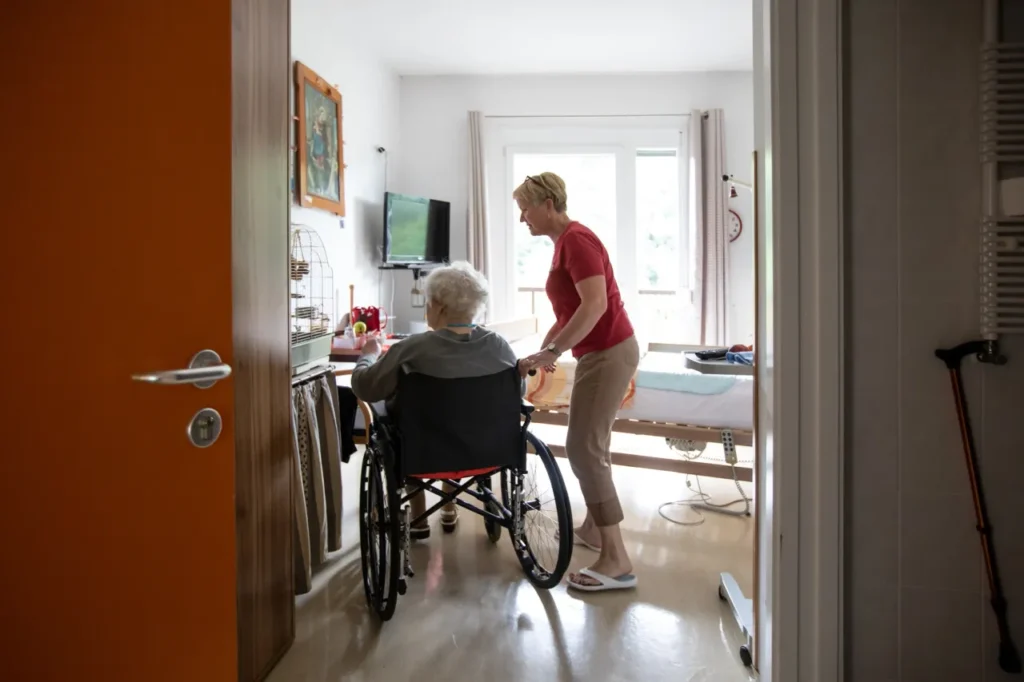
Spotting the Early Signs: When Independence Needs a Little Help
As parents, grandparents, or close family members age, small changes in daily routines can quietly signal a growing need for support. In homes across Ontario, British Columbia, and beyond, families are increasingly recognizing that early intervention is key to maintaining a senior’s independence and quality of life. It’s not about taking over—it’s about noticing subtle shifts before they become larger challenges.
Common signs include unexplained weight loss, forgotten medications, or hesitation when navigating stairs. Maybe your loved one used to manage housekeeping with ease but now avoids cooking, leaves dishes piled up, or seems fatigued after minimal activity. These aren’t just signs of aging—they may indicate that physical strength, mobility, or cognitive function are shifting in ways that affect safety at home.
Early recognition allows families to explore support options proactively, such as light assistance with daily tasks, companionship, or help with personal care. These services are designed to help seniors stay safely in their own homes while preserving dignity. By paying attention to behavior patterns and daily habits now, families can prevent emergencies later—and ensure their loved one continues to thrive, not just get by.
5 Signs Your Loved One May Need a Personal Support Worker
Recognizing when a loved one needs extra support can be challenging, especially when changes happen gradually. However, paying attention to certain key indicators can help families make timely, informed decisions about in-home care. Below are five common signs that suggest it may be time to consider professional assistance from a Personal Support Worker (PSW).
- Difficulty with Daily Living Activities
Struggles with routine tasks like bathing, dressing, meal preparation, or using the bathroom are major red flags. These activities, known as Activities of Daily Living (ADLs), are essential for independence. When a senior resists help or appears frustrated while completing them, it’s often a signal that physical or cognitive changes are impacting their capabilities. Adaptive tools can help temporarily, but consistent challenges may require trained support. - Noticeable Changes in Personal Hygiene
A decline in grooming habits—such as infrequent bathing, unkempt hair, or wearing soiled clothing—can indicate underlying issues, from mobility limits to depression. Poor hygiene doesn’t just affect appearance; it can lead to infections or skin conditions. A PSW can gently assist with personal care routines while respecting dignity and privacy. - Medication Mismanagement
Forgetting to take prescribed medications, repeating doses, or confusion about timing and dosages poses serious health risks. Memory lapses or complex regimens can overwhelm even the most capable individuals. Professional caregivers help by organizing pill dispensers, providing timely reminders, and coordinating with family or healthcare providers. - Mobility Challenges and Fall Risks
Lunging, balance issues, or reliance on furniture for support increase the risk of falls—a leading cause of injury among seniors. Signs include hesitation on stairs, using walls for leverage, or asking for help to stand. PSWs are trained in safe transfer techniques and can recommend home modifications to reduce hazards across Ontario and beyond. - Increased Social Isolation
Withdrawing from family, skipping social events, or spending excessive time alone may point to physical limitations, depression, or cognitive decline. Companionship from a PSW not only reduces loneliness but also encourages engagement in light activities, conversations, and community outings, supporting mental wellness.
The Emotional and Safety Benefits of Professional Home Support
Bringing a Personal Support Worker (PSW) into the home goes beyond physical assistance—it’s a meaningful step toward preserving dignity, ensuring safety, and fostering emotional well-being for aging adults and their families. For many seniors in Ontario, British Columbia, and across Canada, maintaining independence while managing health changes can be overwhelming. A trusted PSW provides consistent, compassionate care that empowers individuals to live with respect and confidence in their own homes.
One of the most profound benefits is the preservation of dignity. Daily routines like bathing, dressing, and mobility can become sources of frustration or embarrassment. A skilled PSW approaches these tasks with sensitivity, encouraging autonomy whenever possible and offering support only as needed. This balance reinforces self-worth and reduces feelings of helplessness.
Consistency plays a vital role in both safety and emotional security. Regular visits from the same caregiver build trust, reduce anxiety, and allow subtle changes in health or behavior to be noticed early—critical for preventing falls, medication errors, or social withdrawal. Families gain peace of mind knowing their loved one is in reliable, capable hands, especially during evenings, weekends, or unexpected situations.
For households balancing work, caregiving, and personal responsibilities, a PSW offers practical relief. Whether it’s light housekeeping, meal preparation, or companionship, professional support helps maintain a stable, nurturing environment—keeping seniors engaged, safe, and emotionally supported every day.
Navigating Resistance and Preserving Dignity When Introducing Home Care Support
One of the most common emotional hurdles families face is how to introduce outside help without undermining a senior’s sense of independence. It’s natural for older adults to feel apprehensive—or even resistant—when the idea of a Personal Support Worker (PSW) is brought up. Many view it as a loss of control or a sign they’re no longer capable. However, reframing this support as empowerment rather than replacement can make all the difference in gaining acceptance.
Start the conversation by focusing on goals: maintaining safety, staying in the family home longer, or simply having more energy for meaningful activities. Emphasize that a PSW isn’t there to take over, but to assist with tasks that have become physically demanding—like bathing, mobility, or meal prep—so the senior can focus on what matters most.
To ease the transition:
- Involve your loved one in choosing the support worker, if possible
- Begin with part-time visits focused on specific needs, like morning routines
- Allow them to lead their schedule—maintaining agency over daily structure
- Reinforce that needing help with certain tasks doesn’t diminish independence, it protects it
In communities across Ontario, British Columbia, and beyond, families are discovering that early, respectful integration of PSWs often leads to stronger trust, improved well-being, and greater long-term success. The key lies in approaching support as a partnership, not a takeover.
Frequently Asked Questions About Personal Support Workers and In-Home Care
How do I know when it’s time to consider a Personal Support Worker (PSW) for my loved one?
Signs that in-home care may be needed include difficulty with daily routines like bathing, dressing, or meal prep, frequent forgetfulness, unexplained weight loss, or increased social isolation. If safety concerns arise—such as falls or missed medications—a PSW can provide essential support to maintain independence at home.
What services does a PSW actually provide?
PSWs assist with personal care (bathing, grooming, toileting), medication reminders, meal planning and preparation, light housekeeping, mobility support, and companionship. Their role is tailored to individual needs, especially for seniors managing chronic conditions or recovering from illness across Ontario, British Columbia, and other provinces.
Is in-home care only for seniors with advanced health issues?
No. Many families choose early support to help maintain routine and prevent decline. PSWs support individuals with mild cognitive changes, post-surgical recovery, or reduced mobility—helping them stay safe and active in familiar surroundings.
How do I start the process of getting a PSW?
Begin by assessing your loved one’s daily challenges. Reach out to reputable agencies that screen, train, and match qualified PSWs based on care needs. Most offer free consultations to develop a personalized care plan.
Can a PSW help with dementia care?
Yes. Trained PSWs use structured routines, redirection techniques, and safety monitoring to support those with Alzheimer’s or other dementias, helping reduce confusion and anxiety while promoting engagement.
What makes in-home care better than facility living?
Remaining in a familiar environment reduces stress and confusion, especially for seniors with memory concerns. Personalized one-on-one care allows for greater flexibility, dignity, and emotional well-being compared to institutional settings.
Are PSW services available in rural or remote communities?
Many providers offer services across urban and rural areas in Canada, including smaller towns in Atlantic Canada and Northern Ontario. Availability varies, so it’s best to confirm coverage based on your location.
Taking the Next Step with Confidence and Care
Recognizing the signs that a loved one may benefit from support is just the beginning—what matters most is responding with compassion, dignity, and timely action. As we’ve explored, changes in daily functioning, safety concerns, social withdrawal, and increased caregiver strain are not just challenges to manage, but opportunities to enhance quality of life through professional assistance. Personal support workers play a vital role in enabling seniors across Ontario, British Columbia, and beyond to remain safe, engaged, and independent in the comfort of their own homes.
The foundation of successful in-home care lies in proactive, person-centered support—focusing not on limitations, but on capabilities. Simple adjustments, combined with professional guidance, can restore routine, encourage nutrition, improve mobility, and reduce isolation. Whether it’s help with morning routines, medication reminders, light housekeeping, or just having a trusted companion at the table, these moments add up to meaningful independence.
If you’ve noticed any of these signs in a loved one, take the next step: assess their daily needs, involve them in the conversation, and explore how professional support can make a difference. Many families in Toronto, Vancouver, Calgary, and smaller Canadian communities have already discovered that timely support isn’t a sign of loss—it’s a pathway to peace of mind, safety, and sustained well-being. You don’t have to wait for a crisis—empower your loved one to thrive today.